Start Your Future in Life Sciences
HELP MANUFACTURE THE MEDICINES AND VACCINES THAT SAVE LIVES AND GET PAID WHILE YOU LEARN
The INCAP Life Sciences Operator Apprenticeship Program (AP) gives students a direct pathway into Indiana's world-class life sciences industry. Apprentices help manufacture life-saving medicines and vaccines and build knowledge and technical skills through biotechnology coursework in high school, work-based learning experiences, and employer-based training in regulated manufacturing environments. Note: Apprentices must be 18 years old by high school graduation to participate in this program.
Discover how life-saving medicines and vaccines are made
Develop real-world skills in manufacturing, technology, quality, and safety
Learn from industry professionals through work-based learning and paid employer training
Build the skills needed to launch a career in Indiana's growing life sciences industry
What You'll Earn
- High school diploma with Employment Honors Plus seal
- INCAP credential, recognized by employers across Indiana
- Biopharmaceutical Manufacturing Certificate from Ivy Tech Community College
- OSHA 10 General Industry certification
Is This Apprenticeship Right For You?
This could be a great fit if you…
Enjoy learning how science, technology, and manufacturing work together to make real-world products
Like hands-on work and learning how machines, systems, and processes operate
Pay close attention to detail and value accuracy
Want to contribute to the production of medicines and vaccines that improve and save lives
What You'll Actually Do
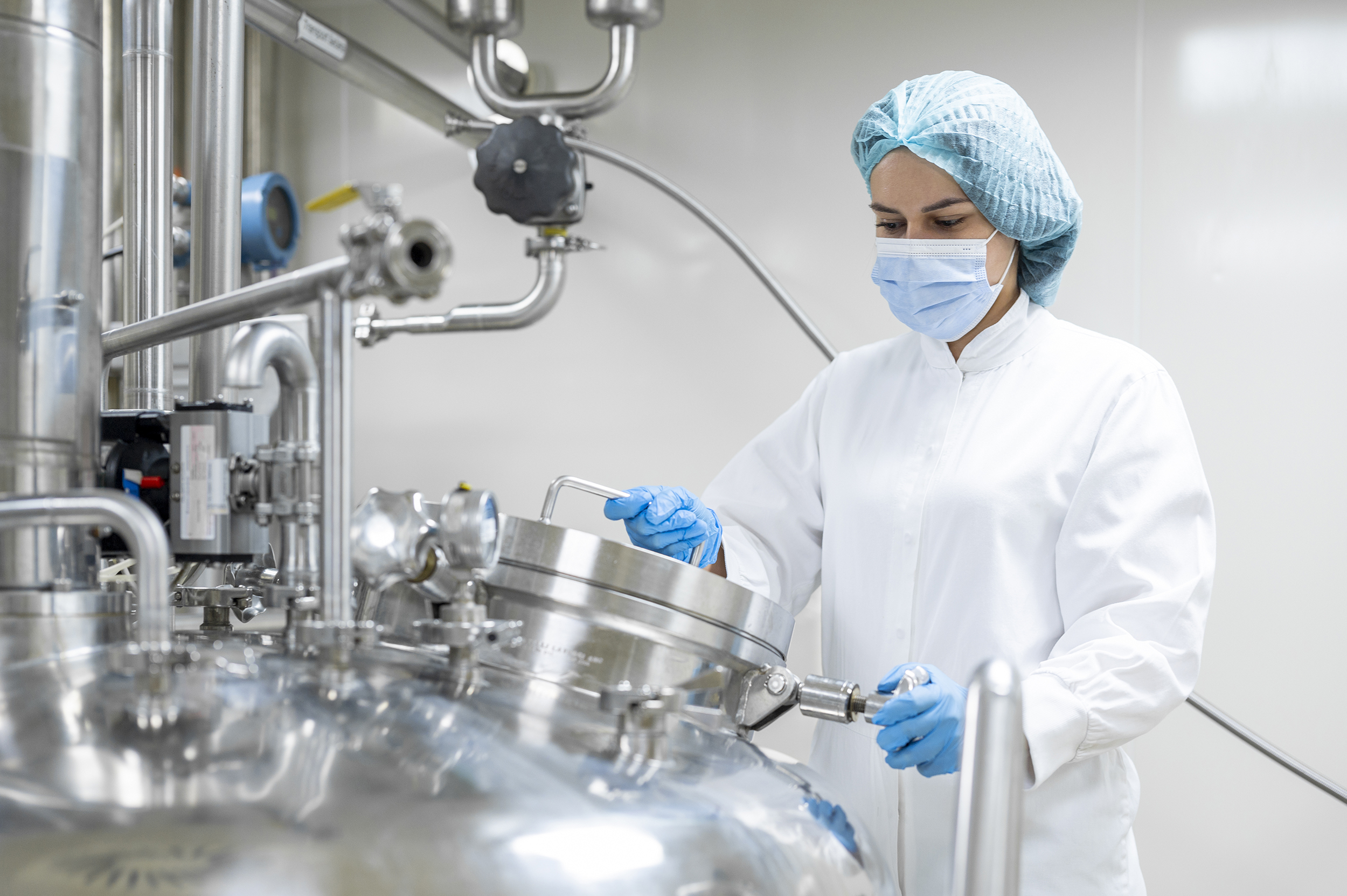
SET UP, OPERATE, AND MONITOR MANUFACTURING EQUIPMENT
Prepare equipment for production, including setup, pre-use checks, and changeovers
Monitor equipment, production systems, alarms, and process conditions
Work with supervisors, maintenance, and engineering to troubleshoot problems
Clean and sanitize equipment to help prevent contamination
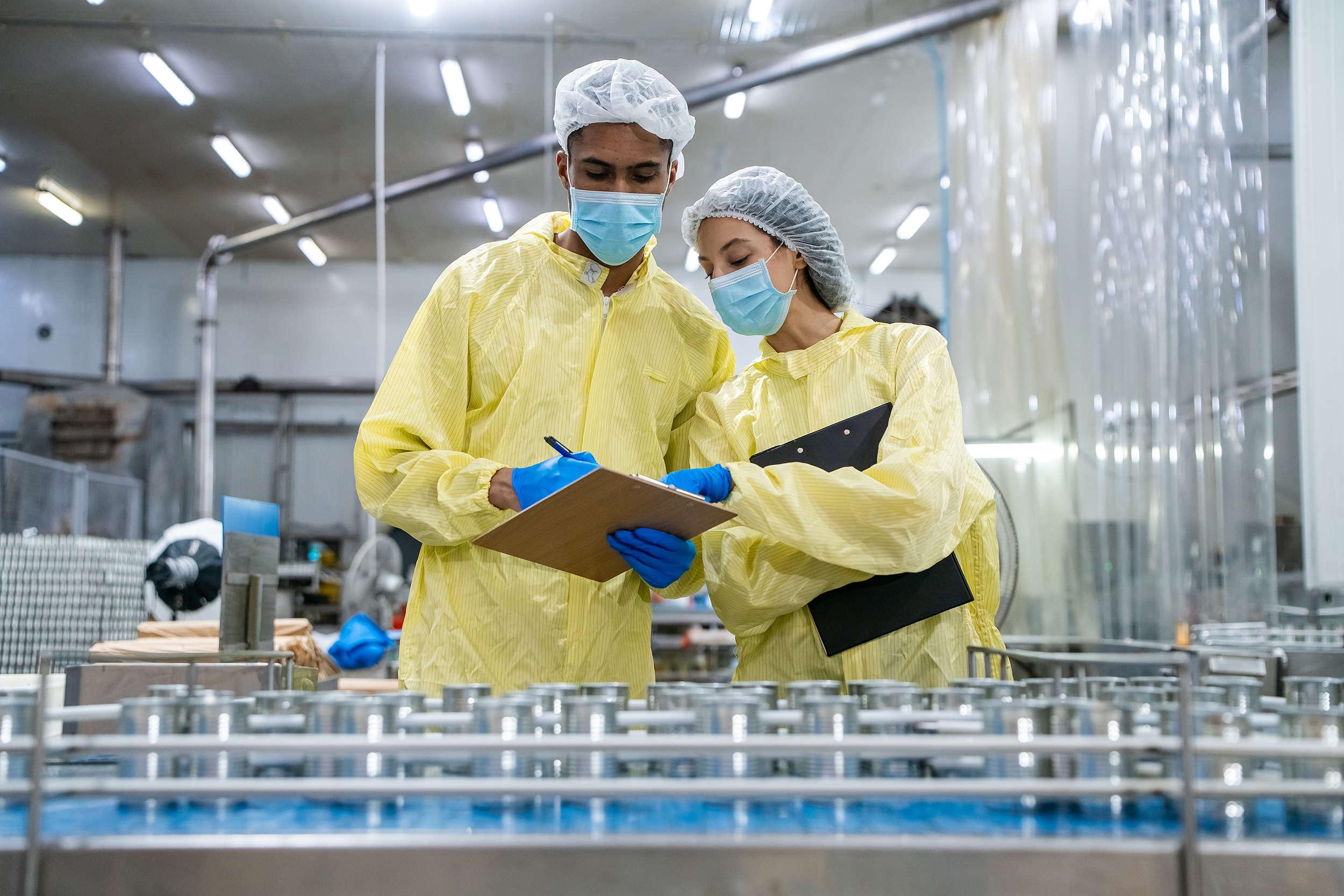
PREPARE AND TRACK THE MATERIALS USED TO MAKE LIFE SCIENCES PRODUCTS
Verify labels, lot numbers, expiration dates, and material status before use
Weigh, measure, mix, and load materials according to approved procedures
Safely move and store raw materials, components, and finished products
Use inventory systems and scanners to track materials throughout production

HELP KEEP PEOPLE, PRODUCTS, AND MANUFACTURING ENVIRONMENTS SAFE
Follow workplace safety procedures and use the appropriate personal protective equipment
Handle chemicals and materials safely and report hazards, incidents, or concerns
Follow Good Manufacturing Practices (GMP) and contamination-control procedures
Help maintain clean, organized, compliant, and audit-ready work areas

KEEP PRODUCTION INFORMATION ACCURATE, COMPLETE, AND SECURE
Follow Standard Operating Procedures and complete batch records and equipment logbooks
Record manufacturing activities accurately as work is completed
Use electronic production, quality, equipment, and documentation systems
Review records, correct errors properly, report deviations, and protect confidential information

WORK AS PART OF A MANUFACTURING TEAM
Communicate clearly with coworkers, supervisors, and other functional teams
Follow procedures, behave professionally, and take responsibility for your work
Use critical thinking to recognize problems, ask for help, and suggest solutions
Support workplace organization, lean practices, and continuous improvement
SET UP, OPERATE, AND MONITOR MANUFACTURING EQUIPMENT
Prepare equipment for production, including setup, pre-use checks, and changeovers
Monitor equipment, production systems, alarms, and process conditions
Work with supervisors, maintenance, and engineering to troubleshoot problems
Clean and sanitize equipment to help prevent contamination
PREPARE AND TRACK THE MATERIALS USED TO MAKE LIFE SCIENCES PRODUCTS
Verify labels, lot numbers, expiration dates, and material status before use
Weigh, measure, mix, and load materials according to approved procedures
Safely move and store raw materials, components, and finished products
Use inventory systems and scanners to track materials throughout production
HELP KEEP PEOPLE, PRODUCTS, AND MANUFACTURING ENVIRONMENTS SAFE
Follow workplace safety procedures and use the appropriate personal protective equipment
Handle chemicals and materials safely and report hazards, incidents, or concerns
Follow Good Manufacturing Practices (GMP) and contamination-control procedures
Help maintain clean, organized, compliant, and audit-ready work areas
KEEP PRODUCTION INFORMATION ACCURATE, COMPLETE, AND SECURE
Follow Standard Operating Procedures and complete batch records and equipment logbooks
Record manufacturing activities accurately as work is completed
Use electronic production, quality, equipment, and documentation systems
Review records, correct errors properly, report deviations, and protect confidential information
WORK AS PART OF A MANUFACTURING TEAM
Communicate clearly with coworkers, supervisors, and other functional teams
Follow procedures, behave professionally, and take responsibility for your work
Use critical thinking to recognize problems, ask for help, and suggest solutions
Support workplace organization, lean practices, and continuous improvement
Typical Apprenticeship Timeline

11th & 12th Grade
Students complete biotechnology coursework and 150 hours of work-based learning through their high school, CTE center, and/or approved training environment.
Students build technical and employability skills through hands-on training, simulations, industry projects, and employer engagement while earning an Indiana-recognized Credential of Value.

Summer after 12th Grade
After graduation, students transition to full-time, paid employment with a life sciences employer or approved training center, typically five days per week. This is where the majority of employer-based, work-based learning occurs.
Students apply their skills in an authentic life sciences manufacturing environment while accumulating the remaining hours necessary for the 650 total work-based learning hours required for Indiana's Employment Honors Plus diploma seal.

Year After High School
Students continue full-time, paid employment, typically five days per week, while completing the final year of the apprenticeship.
Students demonstrate Life Science Operator competencies on the job and complete any remaining technical training and postsecondary coursework required by the program.
At completion, graduates have three options

Start your career in Life Sciences

Continue learning in college

Keep training in an INCAP adult program
*Must be 18 years old by graduation to begin full-time employer-based portion of apprenticeship; 650 total WBL hours must be earned by Sept. 30 following senior year.
Real Jobs You Can Land After This Program
The Life Sciences Operator Apprenticeship Program provides students with a strong foundation in Life Sciences manufacturing and real experience that employers value.
Common roles INCAP graduates are prepared for include:
Manufacturing Operator
Production Operator
Manufacturing Technician
Process Operator
Trusted by Life Sciences Employers
Ready to Take the Next Step?
Apprenticeship spots are limited and based on where you live, and opportunities are not listed online. Your school counselor or regional INCAP Connector can help you explore your options.
Common Questions
Program Basics
How much do Life Sciences Operator apprentices get paid?
Starting wages vary by employer, with apprentices typically earning approximately $16–20 per hour during the paid, employer-based portion of the apprenticeship. During 11th and 12th grade, students will also receive stipends for eligible work-based learning and apprenticeship activities
Because Life Sciences Operator apprentices are employees of the business, they fall under their employer's policies for benefits, performance reviews, and pay increases over time.
When does the apprenticeship start and how long does it last?
Students begin exploring life sciences careers as early as 9th and 10th grade through career exploration activities and planning with their school counselor.
The INCAP Life Sciences Operator apprenticeship officially begins in 11th grade and lasts three years, including a full year of work-based learning at the employer after high school graduation.
What does a typical weekly schedule look like?
An INCAP Life Sciences Operator apprentice follows a weekly schedule that changes over time as apprentices gain experience:
- 11th & 12th Grade: Learn + Prepare
- Students complete biotechnology coursework and 150 hours of work-based learning through their high school, CTE center, and/or approved training environment. Students build technical and employability skills through hands-on training, simulations, industry projects, and employer engagement while earning an Indiana-recognized Credential of Value.
- Summer After 12th Grade: Work + Apply
- After graduation, students transition to full-time, paid employment with a life sciences employer or approved training center, typically five days per week. This is where the majority of employer-based, work-based learning occurs. Students apply their skills in an authentic life sciences manufacturing environment while accumulating the remaining hours necessary for the 650 total work-based learning hours required for Indiana's Employment Honors Plus diploma seal.
- Year After High School: Work + Demonstrate
- Students continue full-time, paid employment, typically five days per week, while completing the final year of the apprenticeship. Students demonstrate Life Science Operator competencies on the job and complete any remaining technical training and postsecondary coursework required by the program.
*Students must be 18 years old by graduation to begin the full-time, employer-based portion of the apprenticeship; 650 total hours of WBL must be earned by Sept. 30 following senior year to count for the Employment Honors Plus seal. Schedules may vary based on employer.
What is the work environment like?
INCAP Life Sciences Operator apprentices work in modern life sciences manufacturing environments including cleanrooms, manufacturing suites, warehouses, laboratories, and other regulated production areas.
The environment is team-oriented and requires attention to detail, adherence to procedures, safety awareness, professional communication, and a commitment to product quality.
How is the INCAP Life Sciences Operator Apprenticeship Program unique?
The Life Sciences Operator Apprenticeship Program front loads learning through required coursework during junior and senior year. Students don’t begin working onsite at the employer until the summer after senior year. This is because life science employers want apprentices to be 18+ before they begin work in a manufacturing environment.
During junior and senior year, apprentices will earn a minimum of 150 work-based learning hours in modeled and simulated environments and through industry-based challenges as part of the biotechnology curriculum. They will earn the remaining 500 hours during the summer after senior year, when they are working at the employer. Apprentices in the Life Sciences Operator program will still earn the Employment Honors Plus seal — but it will be retroactively granted once they finish the 650 hours required for that seal.
What You'l Learn & Earn
What skills will I learn?
As part of the INCAP Life Sciences Operator apprenticeship, you'll develop skills in:
Professional communication, collaboration, work ethic, and workplace readiness
Safety, environmental health, and emergency preparedness
Regulatory compliance, audit readiness, and risk evaluation
Accurate documentation, data integrity, and electronic manufacturing systems
Materials preparation, inventory tracking, and digital manufacturing systems
Equipment setup, operation monitoring, and troubleshooting
Workplace organization, lean manufacturing, and continuous improvement
Critical thinking and problem-solving in manufacturing environments
What classes will I take?
Required Biotechnology Pathway Courses
- 7340 Principles of Biotechnology
- 7341 Biotech Manufacturing
- 7342 Biotech Regulatory Affairs
- 7344 Biotechnology Capstone
Courses with Related Skill Connections (not required but could be useful in a life sciences manufacturing environment)
- Integrated Chemistry & Physics (ICP) and/or Chemistry I
- Algebra II, Geometry, Finite Math, Quantitative Reasoning, Probability and Statistics, or another applied math course
- Technical Communication, Speech, or another communications-focused course
- Spanish (if selecting a foreign language)
What will I earn when I complete the apprenticeship?
Through this apprenticeship, students will meet the key requirements for Indiana’s new Employment Honors Plus diploma seal: completing at least 650* hours of work-based learning and earning an INCAP credential, which is recognized by the Indiana Department of Education as a Credential of Value. The diploma seal and the INCAP credential are recognized by businesses across Indiana as indicators of industry experience, and the INCAP credential may count toward college credit in a related degree program.
Additionally, Life Sciences Operator apprentices earn a short-term Biopharmaceutical Manufacturing Certificate from Ivy Tech Community College, which includes an OSHA 10 General Industry certification.
*650 total hours of work-based learning must be earned by Sept. 30 following senior year to count for the Employment Honors Plus seal.
What Happens Next
What jobs can I get after completing the Life Sciences Operator apprenticeship?
The Life Sciences Operator apprenticeship provides students with a strong foundation in life sciences manufacturing and prepares them to pursue positions such as:
- Manufacturing Operator
- Production Operator
- Manufacturing Technician
- Process Operator
What are my options after the program?
After completing an INCAP Life Sciences Operator apprenticeship, you have several options:
- Start working full-time in life sciences manufacturing
- Go to college and potentially finish a biotechnology-related degree faster with earned credits for your INCAP credential
- Continue with the INCAP Career Program for adults to work toward a professional degree equivalent to an academic bachelor’s degree*
The Life Sciences Operator apprenticeship helps students build a strong foundation for multiple career pathways across manufacturing, quality, engineering, maintenance, and operations.
*Not yet available within Life Sciences
Applying And Getting Started
When should I start preparing for this apprenticeship?
You can start preparing for an INCAP Life Sciences Operator apprenticeship in 9th and 10th grades by exploring careers, attending career-related events, starting requirement curriculum, and talking with your school counselor.
If you’re interested in a Life Sciences Operator apprenticeship, you should work with your school counselor to update your four-year graduation plan. Then, you can apply for available apprenticeships.
Because opportunities vary by location and are not listed online, your local INCAP Connector and school counselor will guide you through the application process and help you find available openings.
How do I find available apprenticeship opportunities?
Life Sciences Operator apprenticeship opportunities are not listed online and vary by location. To find available opportunities, talk to your local INCAP Connector or school counselor.
Where can I find more detailed information about this program?
If you or your family wants a deeper look at the Life Sciences Operator apprenticeship, you can review the full occupation profile and a detailed student journey, which walks you through what to expect from early career exploration through graduation.
- Occupation Profile (PDF, 2 pages)
- Student Journey at a Glance (PDF, 1 page)
These documents include detailed information about responsibilities, schedule, requirements, and career pathways.